Blustone Health
Mobile Deep Tissue Massage
Need to Make an Inquiry?
Have any questions or want to book an appointment? Get in touch with us!
Contact Us
OR CALL US AT:

Contact Information
Blustone Health
15464 Madrona Drive, Surrey
Phone: 778-902-8258
Email: blustonehealth@gmail.com
Focused Treatment, Brought Directly to You
Deep tissue massage is a focused approach to Registered Massage Therapy (RMT) that may help address persistent muscular tension, stiffness, discomfort, and restricted movement.
At Blustone Health, our RMTs bring professional treatment directly to your home, condo, workplace, or care facility. Each appointment is tailored to your body, comfort level, and treatment goals—without the inconvenience of travelling to a clinic.

What is Deep Tissue Massage?
Deep tissue massage uses slower, deliberate techniques and sustained pressure to work with areas of muscular tension and the surrounding connective tissues.
It is not simply a harder or more painful massage. The amount of pressure used will depend on your needs, sensitivity, and comfort. Your RMT may apply deeper pressure in some areas while using gentler techniques elsewhere.
Deep tissue techniques may be incorporated into a broader massage therapy treatment rather than being used across the entire body. Your RMT will assess your concerns and determine which techniques are appropriate for you.
Deep tissue massage is not appropriate for every person or every condition. Your RMT will review your health history and current symptoms before beginning treatment.
Who May Benefit From Deep Tissue Massage?
Deep tissue massage may be helpful for people experiencing:
- Persistent muscular tension or stiffness
- Neck, shoulder, or back discomfort
- Discomfort related to sports or physical activity
- Tension associated with prolonged sitting or desk work
- Repetitive strain or muscular overuse
- Restricted movement or reduced mobility
- Muscular tightness during recovery from an injury
- Areas of the body that feel difficult to relax with lighter pressure

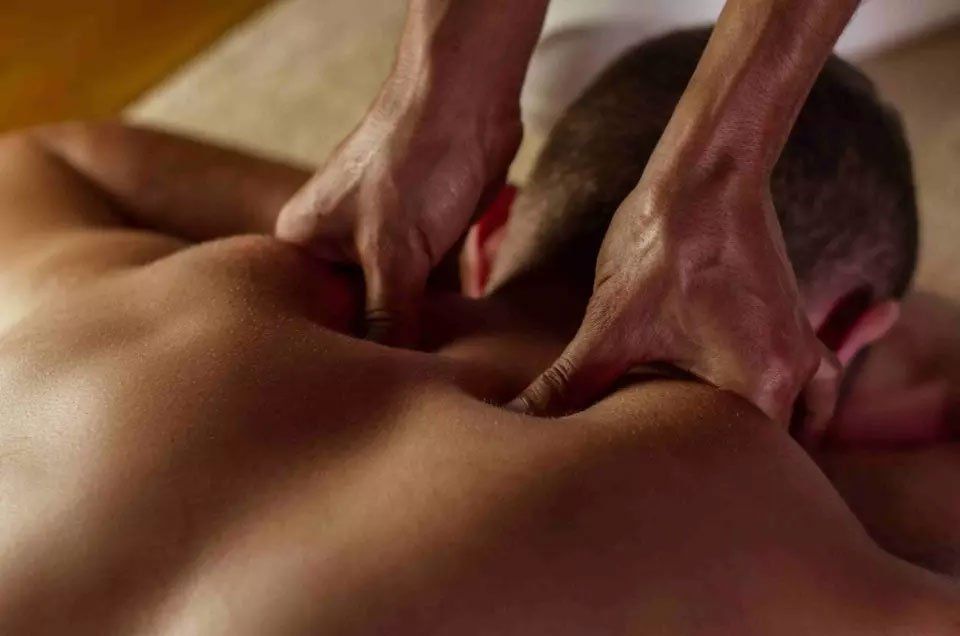
Deep Tissue Massage Goals
Depending on your individual needs, deep tissue massage may help:
- Reduce muscular tension and stiffness
- Relieve pain and physical discomfort
- Improve mobility and range of motion
- Support recovery from physical activity or overuse
- Address tension related to repetitive movements
- Improve your overall sense of movement and comfort
Results will vary between individuals. Your treatment will be adjusted over time based on how your body responds and what you would like to achieve.
What to Expect During Treatment
Your appointment will begin with a discussion of your health history, current symptoms, and treatment goals. Your RMT may also assess your movement or examine the area causing discomfort before recommending a treatment approach.
Deep tissue treatment is often slower and more focused than a general relaxation massage. Your RMT may spend additional time working with a particular muscle group or area of tension rather than treating the entire body with the same level of pressure.
You remain in control throughout your appointment. Your RMT will check in with you and adjust the pressure or techniques used based on your feedback.
Treatment may feel intense in areas that are already sensitive, but it should remain within your comfort level. Deep tissue massage does not need to be painful to be effective.
What to Expect After Deep Tissue Massage
Some people experience temporary tenderness or mild muscular soreness after a focused treatment. This should generally be manageable and settle within a short period.
Your RMT may recommend gentle movement, stretching, heat, cold, or other home-care strategies based on your individual needs. Continue drinking water normally and follow any treatment-specific guidance provided by your therapist.
Significant pain, worsening symptoms, or discomfort that does not settle should be discussed with your RMT or another appropriate healthcare professional.